Bay Laurel

Burning bay laurel leaf has been used to induce states of trance. In Ancient Greece, the psychic priestesses at the Oracle of Delphi chewed laurel leaves for inspiration and burned the leaves as incense to induce states of trance. It is believed that large doses of Bay Laurel can produce an intoxicating effect. In ancient Greek and Cretin culture, there is a connection between fortune telling, bay laurel and dolphins.
What does Bay Laurel smell like? Break off a leaf and crush it in your hands, inhale the aroma of citrus, balsam and spice. It’s slightly sweet, but cooling and camphorous. A very “green” scent.
Uses in Incense: protection, healing, cleansing, clairvoyance, sharpens awareness. Used in dreaming blends.
In ancient Rome, fragrance was very important as a psychological tool as well as a preventive medicine. Roman soldiers perfumed their weapons, shields and armor. Upon victory in battle, the winners were awarded with leafy crowns of myrtle or crowns made of wildflowers and grasses where the battle took place. During the triumphal marches back in Rome, generals wore crowns of laurel, which symbolized their victory in both image and fragrance. To the Romans, laurel was the smell of success.
Parts used for incense: Leaf
Latin name: Laurus Nobilis
Element: Fire
Season: Summer
Historics: Dolphins, Delphi and Laurel.
Medicinal uses: cooling. Opens lungs.




Palo Santo

The Piney, resinous smoke of palo santo wood has a regal or holy association. This South American tree, Bursera graveolens is a relative of the Frankincense tree of Africa. Palo santo contains a high concentration of d-limonene, an aromatic molecule found in citrus and frankincense among other botanicals. The wood of the tree used for incense can only be harvested from dead trees, the longer the tree is dead, the better the oil and wood. It has been used for centuries in household and ritual use. Here are the top five uses of Palo Santo.
Our Copalo incense cones contain palo santo wood powder, white copal tree resin, and red cedar powder.
Sandalwood

Sandalwood is calming, relaxing and has a pleasant scent. Burn for protection and healing. Can increase mental stimulation when burned during a full moon. ... Burning sandalwood incense can benefit healing work by promoting a deeper relaxed state in the healer, increasing spiritual energy.
Juniper
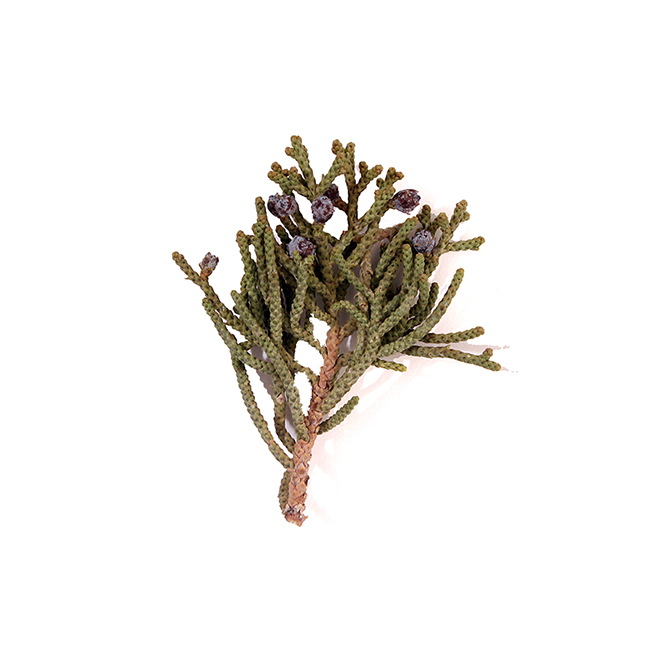
Juniper is one of the most common aromatic ingredients found in Tibetan incense. It is used as a base in many different incense recipes and is known for its stimulating and mind-clearing properties, its cleansing and purification of the atmosphere, its calming and relaxing effect on the nerves, and its sharpening of mental awareness and alertness. It helps to freshen the senses and the mind, while opening the nasal passages and respiratory tract. Juniper’s unique aromatic profile contains fresh, piney, earthy, woody, balsamic, and bittersweet aromas. Juniper is a sturdy, strong, and unyielding tree whose own physical attributes are mirrored in its influence on the human mind, body, and spirit.
Amber fragrance incense blend made from natural aromatics.
Soothing Amber and Vanilla notes.
Ingredients in this select blend include:
Sandalwood
Siam Benzoin gum
Labdanum resin
Storax bark
Suggested Setting : Meditation, Relaxation, Creativity
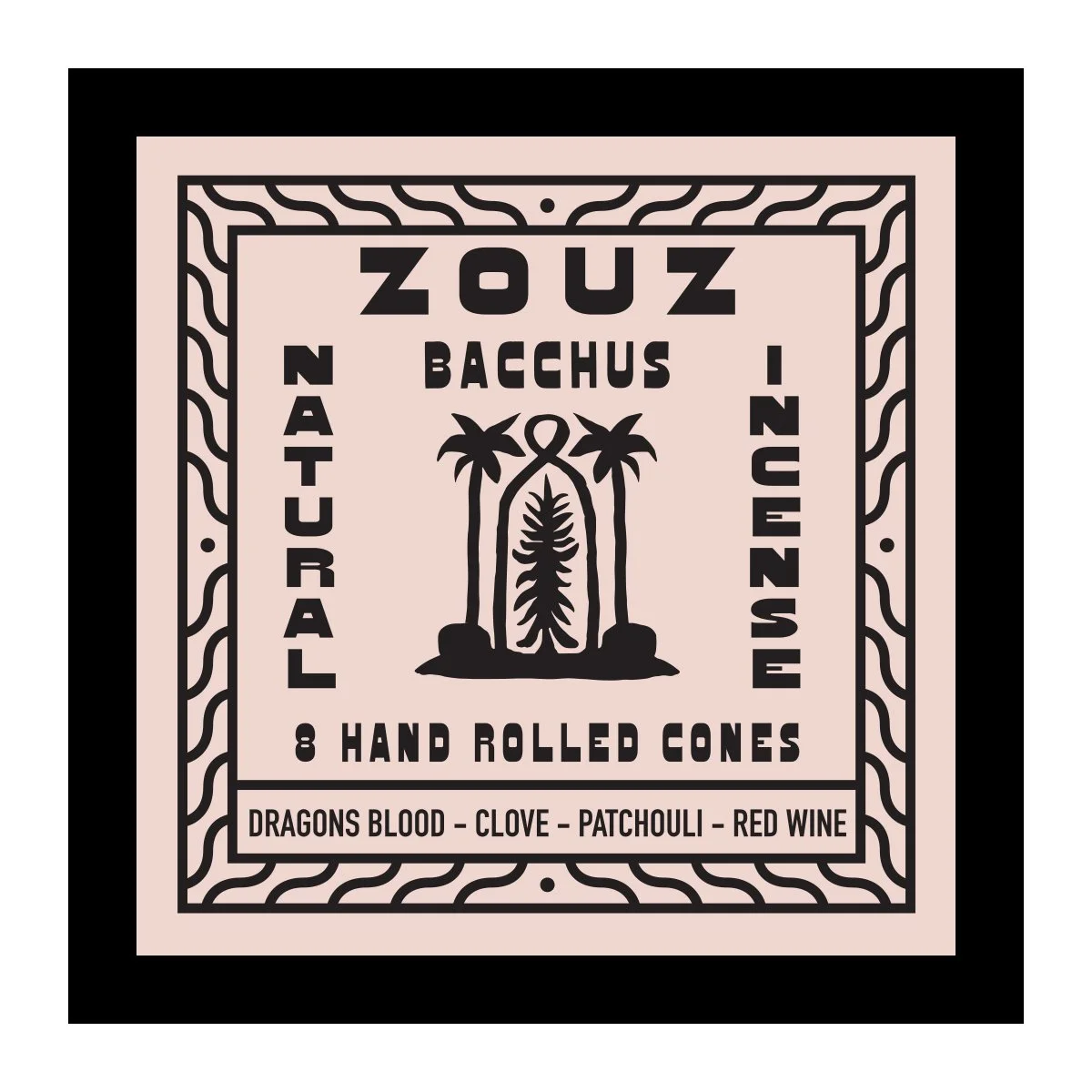
3"x 3 " Box contains 8 hand rolled cones.
Premium Natural Incense Cones Ethically Hand Rolled From Tree Resins, Plants and Wildcrafted Herbs. Non Toxic, No Charcoals or Burning Accelerants Used Ever. Small Batches Handmade in USA. Cones stay lit and burn straight through.
Shop our hand crafted incense burners specifically designed for burning Incense Cones
Save up to 15% with our monthly subscription options